
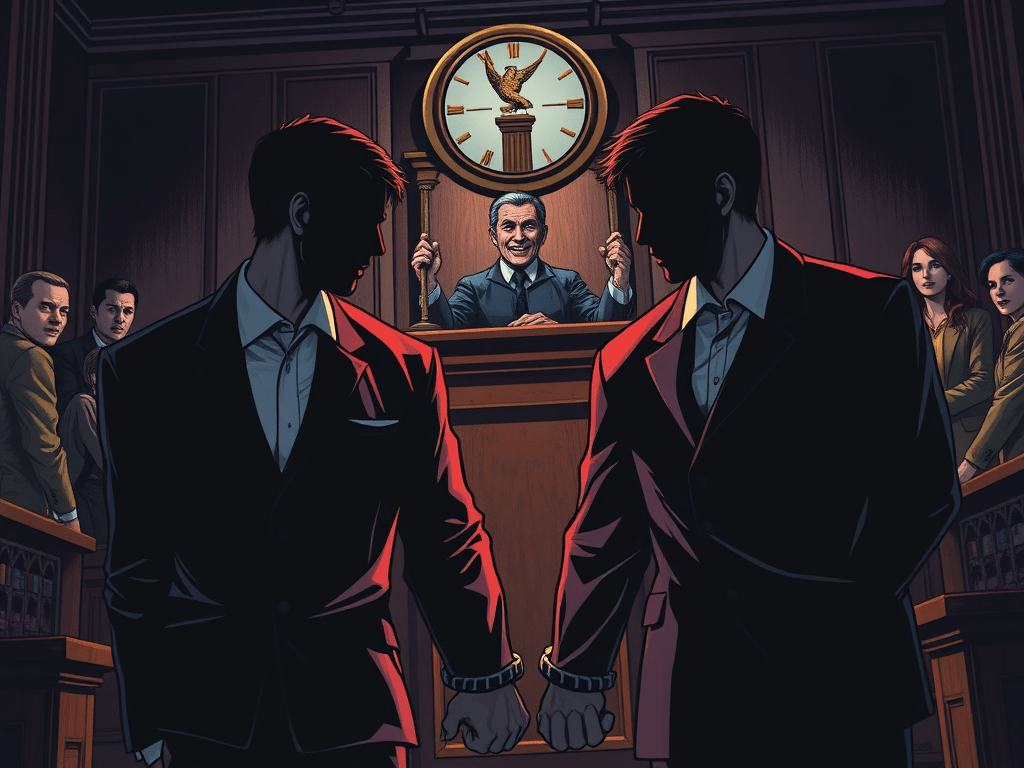
Unpacking Justice: Reflections on the Menendez Brothers Case and Modern Legal System
This past weekend, I was unexpectedly drawn into a binge of Netflix docuseries. This was a departure from my usual viewing habits. I have various streaming services at my fingertips—Prime, Hulu, Paramount, and Netflix. However, I maintain a disciplined approach. I use only one platform at a time. I prepared for the Mike Tyson fight by reconnecting with Netflix. Their recent documentary offerings have significantly improved.
Upon revisiting, it became clear that they tackle complex topics surrounding corruption within our courts and media. The poignant stories challenge prevalent narratives. Stories like that of JonBenét Ramsey encourage viewers to reconsider who truly bears responsibility for such tragic events. Similarly, the Murdaugh case is a captivating yet unsettling story. It reveals the intertwining of wealthy family names and legal influence within small communities. Reputations can instill fear and discourage justice.
The Murdaugh name, synonymous with power, embodies the idea that certain individuals can evade accountability due to their societal status. As we delve into these cases, a growing sentiment arises among the public. People want to confront and dismantle the hesitations that have historically silenced discourse about systemic issues.
The Menendez brothers, Eric and Lyle, have long captivated the public eye. They serve as an intriguing focal point. Their story unfolded on ‘Court TV’ during my childhood, leaving a lasting impression. At first, I saw them as monsters. However, my perspective changed as time passed. Discussions emerged about their abusive upbringing. The injustice in their case is a stark reminder of the flaws in our legal system. Their cries for help were ignored.
The documentary sheds light on the complexities of their trial. There was a hung jury in the first round. The second verdict was deemed unjust. The prosecution, represented by Pamela Bozanich, in the first trial offers her reflections. She defensively maintains her stance on their guilt. This is despite acknowledging the heinous nature of their father’s actions. This duality presents a prickly paradox within the justice system, where personal biases intertwine with professional obligations.
While prosecutors need to uphold their roles, the questions surrounding the integrity of legal outcomes remain salient. Social media’s rising influence complicates matters further. Bozanich suggests platforms like TikTok shape public opinion and legal discourse in unprecedented ways.
My conversations with legal professionals highlight systemic issues as well. A disheartening notion emerges: when young victims allege abuse, their claims often go unheeded. These claims are sacrificed for the sake of professional responsibilities. The jaded nature of some attorneys and judges can devastate the lives of vulnerable individuals. This situation underscores the urgent need for reform. We should consider even including term limits for legal professionals to prevent such injustices from recurring.
Though Eric and Lyle’s actions merit consequences, the crux of the matter is the lost potential of their youth. Their lives were irrevocably altered, shackled by their past and the consequences of trauma. As they approach potential release in their fifties, questions arise about their capacity to reintegrate into a radically different society.
The haunting reality is that similar narratives persist throughout our communities today. Sexual predators too often get minimal sentences or early releases, leaving families vulnerable and perpetuating cycles of abuse. We must pursue discussions that challenge these patterns. We must also insist on a justice system that truly serves its purpose. This system should protect the innocent and hold abusers accountable.
As we think about these complex cases, it becomes increasingly important to advocate for systemic change. We must harness our collective voice. This is crucial to make certain that victims get justice. It is also essential for those wrongfully accused to get justice, which has so often eluded them.
 Chance Chats
Leave a comment